
The Story of Death and Ordinary Life
The Pale HorseThe novel repeatedly places death beside routine meals, appointments, and domestic tasks, making the ordinary texture of life part of its moral argument.
increasing Bearing strength in each event
 decreasing
Bearing strength in each eventdecreasingA Death Notice at Breakfast
Death in Newspaper Form
A Brief Public Record
Thomasina’s death appears as a short notice in The Times, with age, family, and funeral arrangements. Mark responds with a fleeting sense of loss before returning to correspondence.
The formal notice compresses an individual life into a few lines. The investigation later restores some of the human context hidden by that efficient summary.
A Priest’s Coffee
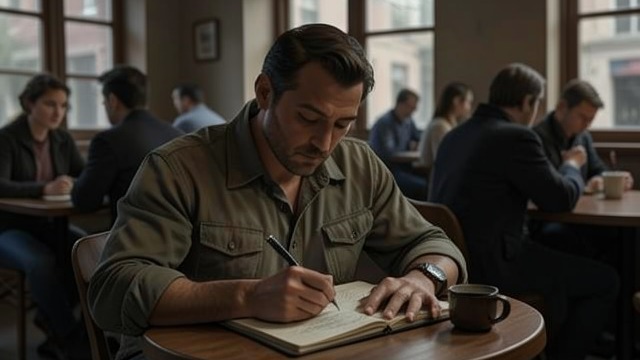
A Small Pause Before Violence
Ordinary Courtesy
Father Gorman stops at Tony’s Place for weak coffee and asks for paper because his notebook is inaccessible. He writes down names while other customers come and go.
The casual café setting emphasizes how little the priest knows about the danger following him. His final act of record-keeping occurs amid the ordinary habits of an evening.
A Hospital Diagnosis

Illness in Familiar Terms
Care and Uncertainty
Doctors treat Ginger for bronchopneumonia, while visitors wait for news and Mark struggles to accept the diagnosis. Nothing about the nursing home initially resembles an occult crisis.
The familiar medical setting makes the hidden poison harder to notice. It also shows that the crisis is experienced through ordinary acts of care, fear, and waiting.
A Police Explanation Over Beer
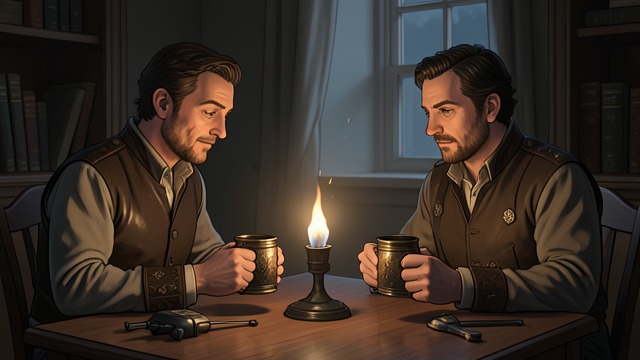
The Case Settles Into Conversation
Two Tankards and a Reckoning
Mark asks Lejeune how the police solved the case while they sit with beer after the formalities. Lejeune explains Osborne’s vanity, money, and method in a conversational tone.
The ordinary scene contrasts with the elaborate crime just exposed. Understanding emerges through patient discussion rather than a triumphant display of authority.
The Mothers’ Meeting
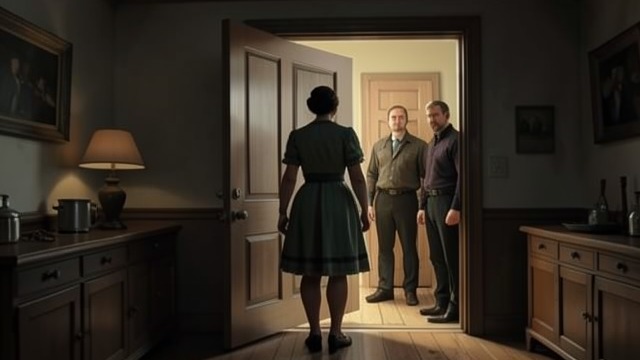
Daily Life Continues
The Anticlimax of Goodness
After identifying the skeleton rider on the sign, Mrs Dane Calthrop leaves because she has a Mothers’ Meeting. Ginger and Mark are left with their personal future and the cleaned image.
The ordinary appointment does not trivialize the evil uncovered. It suggests that durable goodness is often unshowy, made of responsibilities that continue after a dramatic crisis ends.
After Mark reads Thomasina’s obituary
After Father Gorman leaves Mrs Davis
During Ginger’s early treatment
After Osborne’s arrest
Near the ending at the Pale Horse
